The Importance of Using Fully Automatic Mechanical Cleaning for Oil Tanker Maintenance
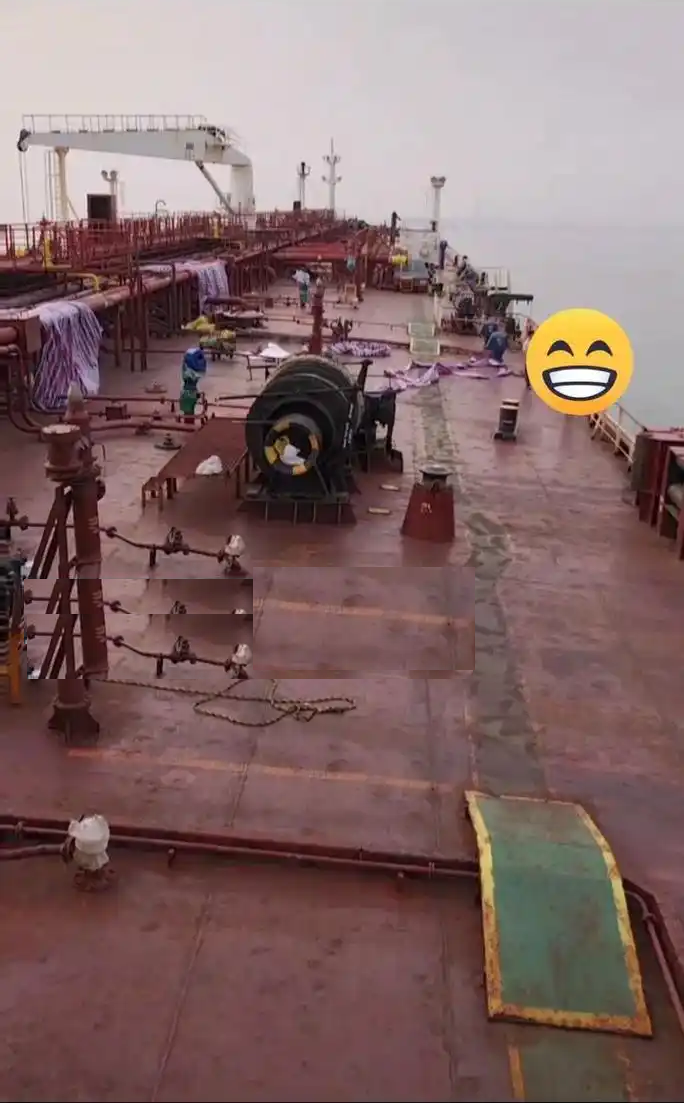
The significance of fully automated mechanical cleaning equipment in tanker cleaning can be elaborated from the following core dimensions: . Revolutionizing Operational Safety through "Machine-Replacing-Human" In traditional tanker cleaning operations, personnel had to enter confined spaces filled with toxic gases (e.g., hydrogen sulfide) and flammable/explosive volatiles, facing extreme risks of poisoning, asphyxiation, and explosions. The application of fully automated mechanical cleaning equipment (such as intelligent tank cleaners and cleaning robots) allows operators to control the entire process remotely via touch screens or control systems outside the tanks. This "unmanned operation" model completely frees personnel from high-risk restricted areas, fundamentally eliminating safety hazards associated with confined space operations and achieving intrinsic safety. . Exponentially Enhancing Cleaning Efficiency and Reducing Downtime Downtime for tanker cleaning translates to massive financial losses. Fully automated equipment achieves highly efficient, 360-degree dead-corner-free cleaning through technologies like high-pressure water jets, 3D rotational impact, or cavitation jets. Compared to traditional manual cleaning, which requires dozens of workers to operate continuously for days or even weeks on a 100,000 DWT tanker, intelligent cleaning equipment can drastically compress the operation time to just a few hours. This leap in efficiency not only improves vessel turnaround rates but also significantly reduces the time spent in dry docks. . Significantly Reducing Comprehensive Operating Costs and Boosting Economic Returns Although introducing fully automated equipment requires upfront investment, its long-term economic benefits are substantial. On one hand, the equipment drastically reduces the reliance on manual labor, lowering labor costs and the consumption of auxiliary materials like scaffolding. On the other hand, it minimizes operational losses caused by vessel downtime. Comprehensive calculations show that the use of fully automated mechanical cleaning equipment can reduce single-vessel tank cleaning costs by 40% to 60%, effectively enhancing the overall value of maritime assets. . Practicing Green Environmental Concepts and Supporting Low-Carbon Transformation in Shipping Modern fully automated cleaning equipment is designed with energy conservation and environmental protection in mind. Its excellent sealing performance and precise jet control can save over 30% of water compared to traditional methods. Meanwhile, the equipment typically employs purely physical cleaning methods (e.g., high-pressure water, cavitation jets) without the need for chemical agents, avoiding secondary pollution. Some advanced equipment can even simultaneously collect wastewater and perform solid-liquid separation during the cleaning process, reducing the volume of hazardous waste transported onshore, and precisely aligning with the increasingly stringent environmental regulations of the International Maritime Organization (IMO). . Optimizing Cleaning Quality and Protecting Hull Structures and Coatings Fully automated equipment can perform standardized operations according to preset programs and trajectories, delivering stable cleaning results that meet IMO high standards (such as Class A standards). In particular, robots utilizing non-destructive cleaning technologies like cavitation jets can precisely strip stubborn dirt while performing gentle, non-contact cleaning without scratching or grinding the hull. This not only perfectly protects the anti-fouling coatings but also effectively slows down the corrosion rate of the hull, extending the service life of the vessel. . Driving the Intelligent Upgrade of Maritime Maintenance Models Fully automated mechanical cleaning equipment is not merely a replacement for single tools, but a crucial link in the digital and intelligent transformation of the shipping industry. Modern intelligent tank cleaning robots integrate functions such as online visualization, automatic posture correction, and fault early warning, enabling 24/7 uninterrupted operation. The application of this technology heralds a systematic upgrade of ship maintenance models from the traditional "labor-intensive and extensive" approach to an "intelligent and intensive" one, providing strong technical support for the modernization of the global shipping industry.